Chongqing
Wulong Karst
Three natural bridges in a deep gorge, a long day or a night from Chongqing
Why it's worth the trip
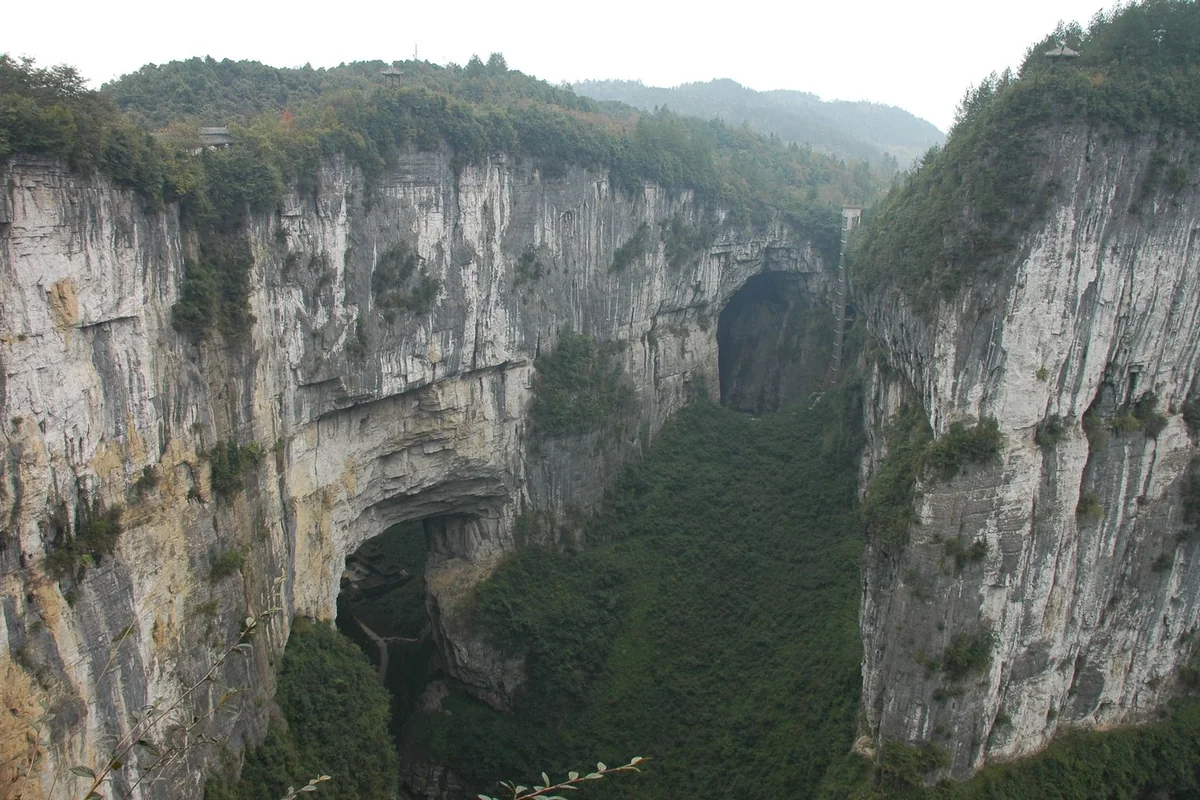
A glass lift turns as it slides down the cliff, the doors open, and you are standing at the bottom of a giant sinkhole. Rock walls rise close to 300 metres on every side, green shrubs clinging to them, and the sky is a ragged patch straight overhead. Then the path bends and the first bridge fills the view: a whole slab of mountain laid across the gorge, the arch beneath it nearly 100 metres high. A stream chatters beside the path and springs spill from the cliffs. Three bridges like this stand within a kilometre and a half, and you walk under every one.
The bridges are what is left of a cave. An underground river once ran here, inside the mountain. In two places the cave roof fell in, opening the two sinkholes; the three stretches that held became the bridges. You can still read it in the rock. Under the first bridge, Tianlong, a second opening sits about 120 metres above the one the water uses now. That higher hole was the river's old way through. Under the second, Qinglong, look up at the curved scars where the roof broke away layer by layer. The stream at your feet is that same river, now running in daylight.
The Wulong area has three big sights, and the bridges come first. Fairy Mountain is high country of meadow and forest, where summer temperatures average only 21 to 22°C, so people from Chongqing come up here to escape the heat. In Furong Cave, a path of nearly two kilometres leads past stone curtains and glittering crystals. With one day, see the bridges. With a night at Fairy Mountain, add one of the other two the next morning; trying for both turns a good day into a rush.
Don't miss
Tianfu Post, in the first sinkhole
A courtyard of grey tiles and grey walls, hung with lanterns, stands on the sinkhole floor. It looks ancient, but it was built in Tang-dynasty style for Zhang Yimou's 2006 film Curse of the Golden Flower and was its only outdoor location. In the yard stand an official's horse carriage and props from the shoot.
Under Qinglong Bridge
The tallest of the three rises 281 metres from the stream to its top. Its name, Azure Dragon, is said to come from what happens after rain. Water pours off the top and breaks into mist, and when the sun catches the spray, a rainbow rises through it like a dragon climbing the sky. Whether you see it depends on that week's weather.
The springs in Heilong's arch
The last bridge, Heilong or Black Dragon, takes its name from its deep, dark arch, where a black dragon seems to wind across the roof. In the gloom, four springs hang from the rock wall, each named for the way it falls: mist, pearls, a single thread, three tiers. How strongly they run depends on recent rain. Then the path carries you back out into daylight.
Fitting it in
- Time to give it
- Two to three hours in the gorge, plus the shuttle from the visitor centre and back. From central Chongqing it makes a long day; a night in the Fairy Mountain area makes it an easy one.
- When to go
- Spring and autumn are the most comfortable, roughly April to May and September to October. After rain, the waterfall off Qinglong and the springs under Heilong run at their fullest. Heavy rain can close the gorge at short notice, though, so a spare night helps. In summer, Fairy Mountain's cool air is another reason to stay. Avoid the National Day holiday in early October, when the gorge is at its most crowded.
- Pair it with
- The bridges' shuttle starts from the visitor centre in the Fairy Mountain resort town, so stay there. The next morning, choose one: Fairy Mountain, which rises to 2,033 metres, or Furong Cave by the Furong River, where it stays around 16°C deep inside all year. If you still have the legs on the first day, the exit shuttle can carry on to Longshui Gorge, a deep, narrow slot canyon with its own ticket.
- Who can skip it
- If you have only two full days in Chongqing, spend them in the city; Wulong needs a day of its own. If you came for history and art rather than landscape, Dazu's rock carvings are the better day out. If long walks are hard for anyone in your group, know the shape of the day first. After the lift, the route runs one way along the gorge for a few kilometres, and only the final climb can be swapped for a buggy.
Questions travellers ask
Is Wulong worth visiting?
Yes, if you want one big landscape day from Chongqing. A lift takes you down into a sinkhole close to 300 metres deep. From there you walk under three natural stone bridges, the tallest 281 metres high, all within a kilometre and a half. Give the gorge two to three hours, and the trip a long day or, better, a night.
Can you visit Wulong as a day trip from Chongqing?
Yes, but it is a long day, and a night makes it much easier. By road it is about two and a half to three hours each way to the visitor centre. The high-speed train from Chongqing East reaches Wulong in about half an hour, but the station is still a road transfer from the bridges. Our Wulong trips spend a night in the Fairy Mountain area.
How long do you need at the Three Natural Bridges?
Plan on two to three hours in the gorge, plus shuttle time each way from the visitor centre. The route runs one way: a glass lift down the cliff, a few kilometres on foot under the bridges, then an uphill stretch or a buggy to the exit. Add half a day if you also want Fairy Mountain or Furong Cave.
When is the best time to visit Wulong?
Spring and autumn, roughly April to May and September to October, are the most comfortable. After rain, the waterfall off Qinglong Bridge and the springs under Heilong Bridge run fullest, but heavy rain can close the gorge at short notice. In summer, Fairy Mountain averages 21 to 22°C, a relief from Chongqing's heat. Avoid the National Day holiday in the first week of October, when the gorge is at its most crowded.
How hard is the walk at the Three Natural Bridges?
Moderate: most of it is downhill or level along the gorge floor, with some steps. The lift does the steep descent for you, and the hardest part is the uphill stretch to the exit at the end, which a buggy can cover instead. Wear shoes with grip, because the path can be wet under the springs.
Sources: UNESCO World Heritage Centre: South China Karst (Wulong Karst)Wulong District Commission of Culture and Tourism: 武隆天生三桥景区 (the Three Natural Bridges)Wulong District Commission of Culture and Tourism: 细看天福官驿 (Tianfu Post)Chongqing government: Wulong Karst tourist area, Fairy Mountain and Furong Cave (2026)Chongqing government: Wulong Karst, from hidden valley to World Heritage (2025)
Private tours that include it
All private tours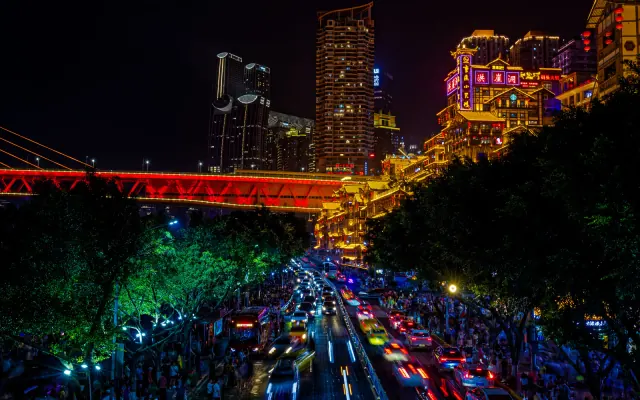
Chongqing & Wulong: 5-Day Private Tour
Chongqing · Wulong · Three Natural BridgesTravellers who want a megacity and dramatic karst scenery in the same trip.Itinerary & price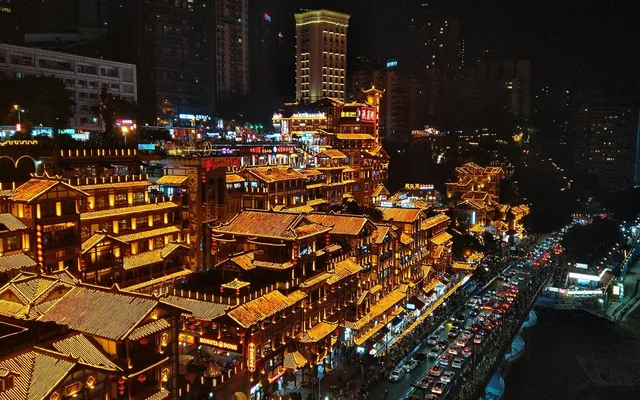
Chengdu, Leshan, Chongqing, Wulong & Dazu: 8-Day Private Tour
Chengdu · Leshan · Chongqing · Wulong · DazuTravellers who want Sichuan culture, a riverfront megacity and karst mountain scenery in one trip.Itinerary & price- None of these?Tell us your days and cities, and we'll plan the trip around you.Plan it with us
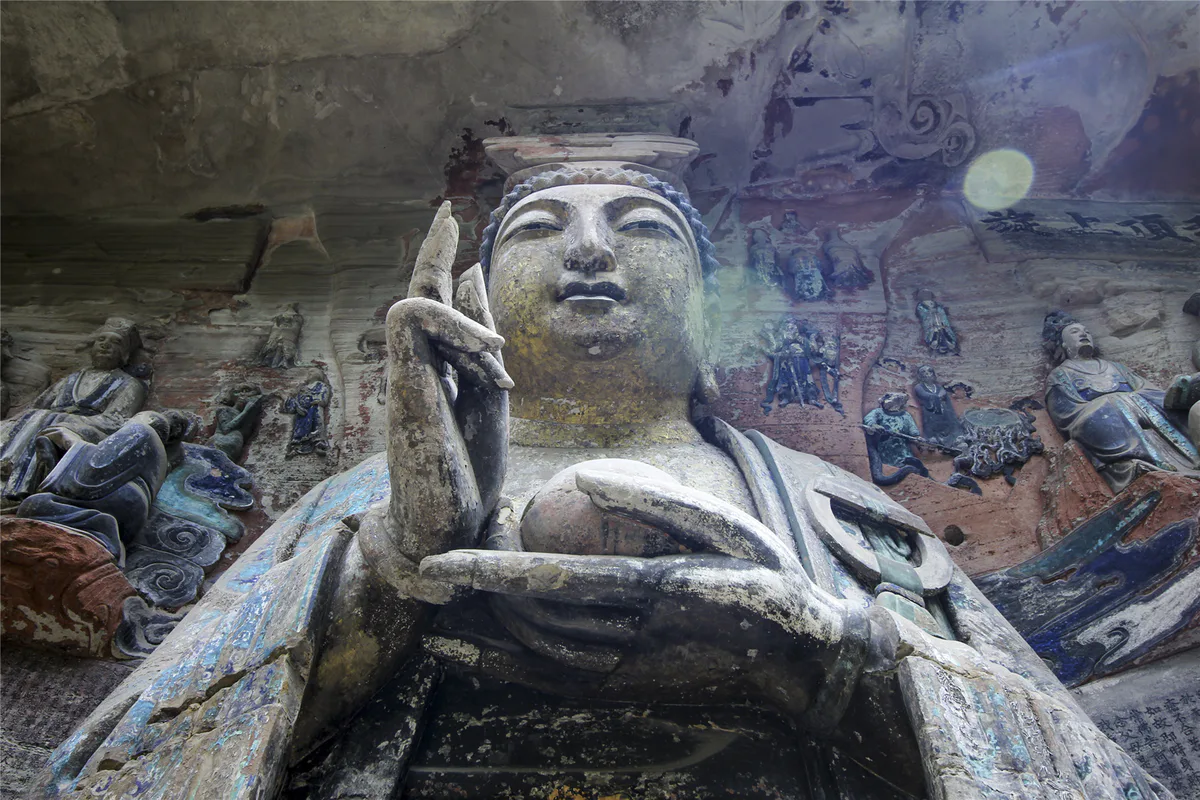
Photo (cropped and resized): Chengdu, Leshan, Chongqing, Wulong & Dazu: 8-Day Private Tour (Jonashtand, CC BY-SA 4.0)
More in Chongqing

Want us to arrange it?
Hand us the whole trip and we will fit it in.