Chengdu
Sanxingdui Museum
Bronze masks and sacred trees from ancient Shu, over 3,000 years old

Photo (cropped and resized): STW932, CC BY-SA 4.0
Why it's worth the trip
Walk into the bronze galleries at Sanxingdui and the faces start looking back. Bronze heads fill the cases, some wearing masks of beaten gold. Then comes a mask 1.38 metres across, wider than a doorway. Its eyes jut out like short pillars, its ears flare like fans, and the corners of its mouth hold a faint smile. Little else from ancient China looks like it. An old chronicle says Cancong, the first king of Shu, had eyes that jutted out, and it is hard to stand before this face and not think of him.
A little over 3,000 years ago, the people who lived here broke and burned bronzes, gold, jade and ivory, then buried them in pits. In most of the pits, the objects went in first, elephant tusks were laid over them, and ash and earth went on top. No one knows for certain why, and no writing has been found here to explain it. Pieces of a single bronze have turned up in different pits and been fitted back together. So as you walk round, look for the snapped edges, the scorch marks and the repairs.
Even the building plays along. It rises as three earth-covered mounds, after the three mounds of earth that gave Sanxingdui, ‘Three-Star Mound’, its name. Two huge glass walls shaped like eyes stare out towards the dig. Inside, the famous finds of 1986 sit alongside pieces from six new pits opened since 2020. See the rooms about the site and the dig before the great bronzes; the faces mean more once you know where they lay. If you can give ancient Sichuan only one day, give it here.
Don't miss
Looking up at the bronze standing figure
Base and all, he stands 2.6 metres tall, barefoot, with rings round his ankles. His hands are made far too big and curl into hollow rings, as if gripping something, and whether he ever held anything is still argued over. He was found snapped in two, lying on his back at the bottom of a pit.
Under the bronze sacred tree
A bronze tree nearly four metres tall has a room of its own, and even with its top missing you have to tilt your head back. It rises in three tiers of three branches, hung with flowers and fruit, with crested birds perched on them and a dragon climbing down the trunk.
Watching restorers at work
In a separate building in the museum grounds, a glass wall lets you watch restorers at their benches, cleaning and piecing together finds from the new pits. Opening arrangements change, so check on the day.
Fitting it in
- Time to give it
- About three hours inside. With the trip out and back from Chengdu, that makes most of a day.
- When to go
- Any season. It is all indoors, which makes it a good choice for a wet or very hot day. It is busiest in the summer school holidays and on public holidays, so go on a weekday and arrive early if you can.
- Pair it with
- Back in Chengdu, the Jinsha Site Museum on the west side of the city picks up the story. Jinsha is thought to have become the main centre of this culture after Sanxingdui declined. Its gold sun-bird disc, a whirling sun circled by four flying birds, is now the emblem of China's cultural heritage. Go the same afternoon only if you still have energy for another museum; otherwise give it a half-day of its own.
- Who can skip it
- If ancient objects in glass cases leave you cold, a day out to Guanghan is a lot to spend. The Jinsha Site Museum in Chengdu gives you a taste of the same world in a couple of hours, without the trip out.
Questions travellers ask
Is Sanxingdui Museum worth visiting?
Yes, if ancient art interests you at all. Bronze faces with jutting eyes, a 2.6-metre standing figure and a bronze tree nearly 4 metres tall look like little else from ancient China. All of them are over 3,000 years old. The museum is about 40 kilometres from Chengdu, so plan on most of a day.
How long do you need at Sanxingdui Museum?
About three hours inside. Two hours covers the main story if you move selectively, and the restoration hall needs extra time. Add the trip out and back from Chengdu, about 40 kilometres each way, and it fills most of a day.
How do you get to Sanxingdui from Chengdu?
By train to Guanghan North and then a road transfer, or by car all the way; the museum is about 40 kilometres north of Chengdu. The station is not at the museum, so allow time for the last leg and don't book a tight return train.
Do I need to book Sanxingdui Museum tickets in advance?
Yes. Tickets are booked in each visitor's own name, and foreign visitors can book with a passport through the museum's own website, WeChat account or mini-program. Carry the same passport to the gate. The museum warns against unofficial sellers, and we can check the rules for your date and book for you.
How old are the Sanxingdui bronzes?
A little over 3,000 years old. Radiocarbon dates from four of the pits fall between about 1130 and 1010 BC, late in the Shang dynasty, which is roughly when the objects were broken and buried. No writing has been found at the site, so who made them is pieced together from what they left behind.
Sources: Sanxingdui Museum official websiteSichuan Provincial Institute of Cultural Relics and Archaeology: the new Sanxingdui Museum (2023)Xinhua: new finds, new research, new methods at the new museum (2023)National Ethnic Affairs Commission: the bronze mask with protruding eyes (2023)Chinese Social Sciences Net: Sun Hua on the Sanxingdui pits (2022)
Booking at a glance
From our attraction-booking rules.
Sanxingdui Museum
- Passport accepted
- Yes
- Real name
- Yes
Confirmed when you enquire: when tickets open, ticket price
The museum offers an inbound-visitor ticket pool and English booking pages using passports. It warns against unofficial channels, so we use only its own.
Checked
Book this with us
Private tours that include it
All private tours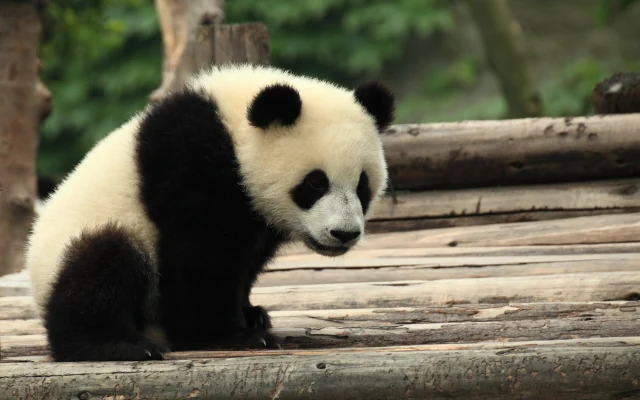
Chengdu, Pandas & Sanxingdui: 5-Day Private Tour
Chengdu · Panda Base · Sanxingdui · DujiangyanTravellers drawn to pandas, archaeology and a slower look at Chengdu life.Itinerary & price- Want a different trip?Tell us your days and cities, and we'll plan the trip around you.Plan it with us
Photo (cropped and resized): Chengdu, Pandas & Sanxingdui: 5-Day Private Tour (George Lu, CC BY 2.0)
More in Chengdu


Rather not deal with bookings?
Attraction booking is USD 7 per person per sight, plus any ticket at face value. Or hand us the whole trip.